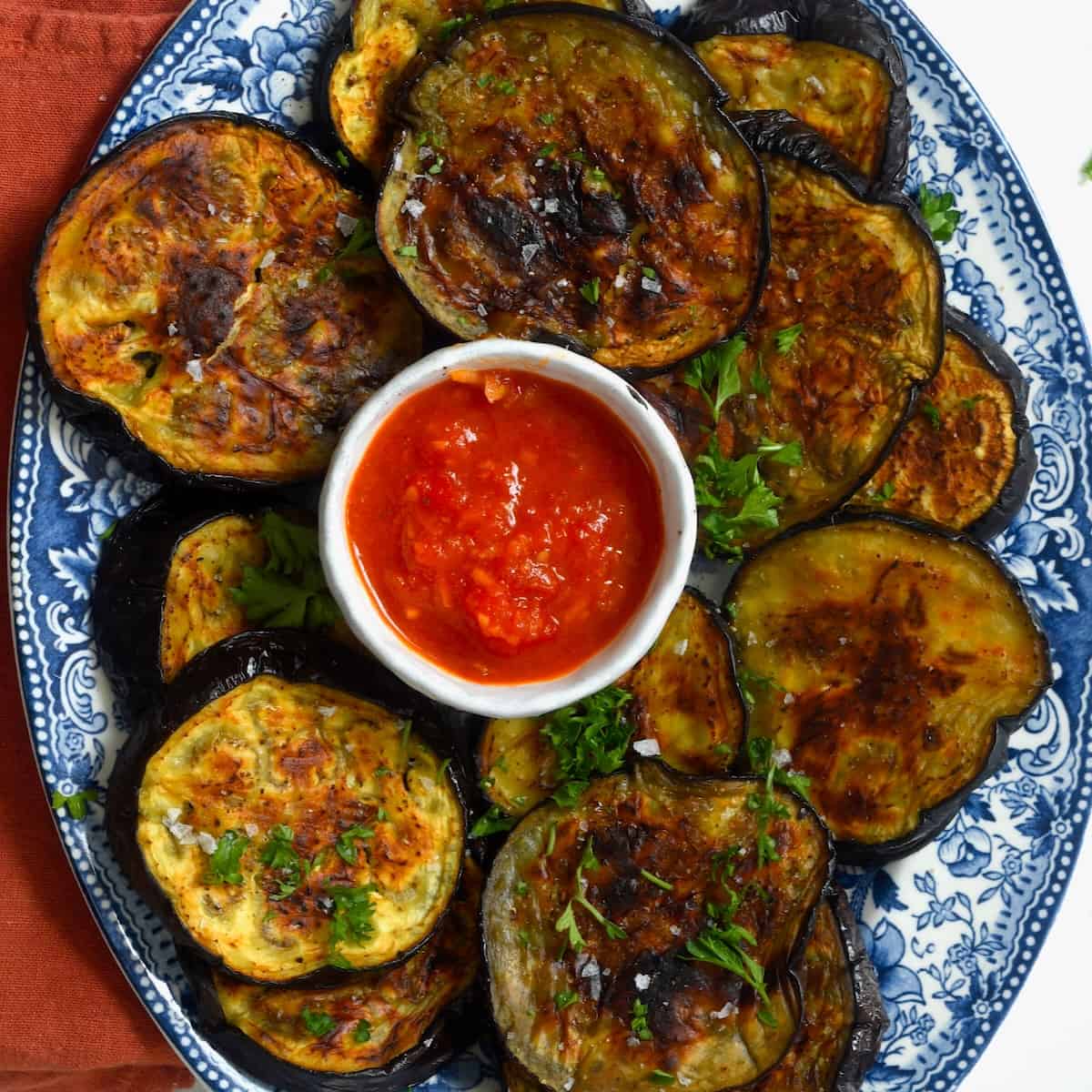
Unlock the Secret to Perfect Roasted Eggplant Slices: Crispy, Tender, and Bitter-Free
Eggplant, with its unique texture and ability to absorb flavors, is a culinary darling across cultures, from the smoky depths of baba ganoush to hearty Italian parmigiana. Yet, for many home cooks, roasting eggplant can feel like a gamble. Will it be perfectly tender with a satisfyingly crisp edge, or will it turn out soggy, rubbery, or worse – unexpectedly bitter? If you've ever battled these common eggplant woes, you're in the right place. This comprehensive guide will demystify the art of creating impeccable roasted eggplant slices, transforming them into a go-to side dish, main course component, or meal prep hero. We'll dive into everything from selecting the ideal eggplant to mastering the roasting technique, ensuring every slice emerges from your oven beautifully caramelized, exquisitely tender, and absolutely free from bitterness. Get ready to elevate your eggplant game with minimal effort and maximum flavor.The Foundation: Picking and Prepping Your Perfect Eggplant
The journey to perfect roasted eggplant slices begins long before they hit the oven. The quality of your raw ingredient and how you prepare it lays the groundwork for success.Choosing the Right Eggplant for Roasting
When selecting an eggplant, think of it like choosing a fine piece of produce – fresh, firm, and vibrant. Here’s what to look for:- Firmness with a Slight Give: A ripe eggplant should feel firm, not hard, but yield slightly when gently squeezed. Avoid soft spots or mushiness.
- Smooth, Glossy Skin: The skin should be taut, vibrant, and shiny. Dullness or wrinkles are indicators of an older, potentially bitter eggplant.
- Green Stem: A fresh, green stem (calyx) signifies recent harvest. Avoid those with dry, brown, or shriveled stems.
- Size Matters for Bitterness: Generally, smaller eggplants tend to have fewer seeds. Since eggplant seeds often contain solanine, a compound that can contribute to bitterness, opting for smaller varieties can naturally reduce this risk. Furthermore, smaller eggplants often have a more uniform size, which is ideal for even cooking when making roasted eggplant slices.
To Peel or Not to Peel?
A common question is whether eggplant skin needs to be removed. For most recipes, especially when making roasted eggplant slices, the answer is a resounding *no*. The skin contributes to the eggplant's structure, helping it hold its shape during roasting, and it's also packed with beneficial antioxidants and fiber. Only consider peeling if you're using a very large, older eggplant whose skin might be unpleasantly thick or tough.The Great Salting Debate: To Brine or Not to Brine?
Many modern eggplant varieties are bred to be less bitter than their predecessors, leading some to suggest that salting (also known as brining or degorging) is no longer necessary. However, for truly *perfect* roasted eggplant slices – crispy on the outside, tender within, and guaranteed bitter-free – we wholeheartedly advocate for the salting method. Salting accomplishes two crucial things:- Draws out moisture: The salt uses osmosis to pull excess water from the eggplant. This moisture removal is key to preventing soggy slices and promotes better caramelization and crispiness in the oven.
- Mitigates bitterness: While modern eggplants are less prone to bitterness, salting acts as an additional safeguard, helping to extract any lingering bitter compounds.
Crafting Your Eggplant Slices: Cut, Season, and Beyond
With your perfectly chosen and potentially brined eggplant ready, it’s time for the next critical steps: slicing and seasoning.Precision Slicing for Even Roasting
How you slice your eggplant directly impacts its cooking time and final texture.- Thickness is Key: Aim for slices approximately ½-inch thick. This thickness is ideal for achieving that coveted balance of a tender interior and a slightly crispy, caramelized exterior. Thinner slices can dry out too quickly, while thicker ones might become mushy before browning sufficiently.
- Cutting Technique: First, rinse your eggplant. Then, use a sharp knife to cut across the eggplant widthwise. A pro tip: leave the stem on initially; you can hold onto it for better grip and stability while slicing, removing it only after all your slices are cut.
The Art of Seasoning Your Eggplant Slices
Seasoning is where you begin to infuse flavor into your roasted eggplant slices. While eggplant's natural flavor is delicious, it’s also a fantastic canvas for various seasonings.For the simplest, most classic flavor profile, you'll need just three ingredients:
- Olive Oil: A good quality extra virgin olive oil not only adds flavor but also helps with browning and crispiness. Ensure each slice is well-coated but not dripping. Brushing with a pastry brush is often more effective than simply drizzling, ensuring even coverage on both sides.
- Sea Salt or Kosher Salt: Even if you've salted your eggplant beforehand, a final sprinkle of salt before roasting is essential to enhance its flavor. Season to taste, remembering that eggplant loves salt.
- Freshly Ground Black Pepper: Adds a subtle aromatic warmth.
Elevate Your Flavor Profile: Don't stop at the basics! Here are some ideas to infuse your eggplant with more personality:
- Mediterranean Flair: Add dried oregano, thyme, garlic powder, and a pinch of smoked paprika.
- Spicy Kick: Incorporate red pepper flakes or a touch of cayenne.
- Italian Inspiration: Mix in Italian seasoning, dried basil, or even a dash of nutritional yeast for a cheesy umami note.
- Garlic Lover's Dream: Finely minced garlic (added in the last 10 minutes of roasting to prevent burning) or garlic powder blended with the oil.
- Smoky Undertones: A pinch of smoked paprika goes a long way.
Chef’s Tip: For truly crispy eggplant, ensure each slice is thoroughly coated in oil. The oil helps conduct heat and facilitates the Maillard reaction, leading to that coveted golden-brown crispiness. However, avoid over-oiling to prevent greasiness.
Achieving Roasting Perfection: Temperature, Time & Technique
This is where the magic happens – turning raw eggplant into glorious roasted eggplant slices. The right oven temperature and technique are paramount for that perfect crispy-tender balance.Preheat for Success
Always start with a fully preheated oven. High heat is critical for roasting success. We recommend a temperature between 400-425°F (200-220°C). This high temperature promotes quick browning and caramelization, preventing the eggplant from steaming and becoming rubbery. Give your oven at least 15-20 minutes to reach and stabilize at the desired temperature.The Roasting Process
- Arrange on Baking Sheets: Line a large baking sheet with parchment paper for easy cleanup and to prevent sticking. Arrange your seasoned eggplant slices in a single layer. Crucially, do not overcrowd the pan. Overcrowding lowers the temperature and causes the eggplant to steam rather than roast, resulting in soggy slices. If necessary, use two baking sheets and rotate them halfway through.
- Initial Roast: Place the baking sheet in the preheated oven and roast for 15-20 minutes.
- Flip and Finish: Carefully flip each eggplant slice. Continue roasting for another 10-15 minutes, or until the slices are beautifully golden brown, caramelized, and fork-tender. The exact time will depend on your oven, eggplant thickness, and desired level of crispness.
Visual Cues for Doneness:
- Golden-Brown Edges: Look for rich caramelization on the edges and surface.
- Tender Interior: A fork or knife should easily slide through the center of the slice.
- Slightly Wrinkled Skin: The skin might appear slightly puckered, indicating moisture has evaporated and the eggplant has softened.
Troubleshooting Common Issues:
- Rubbery Eggplant: This usually means the oven wasn't hot enough, the pan was overcrowded, or it wasn't cooked long enough. Ensure high heat and ample space.
- Soggy Eggplant: Often due to excess moisture (not salting or patting dry sufficiently), too much oil, or again, an overcrowded pan preventing proper evaporation.
- Burning: If your eggplant is burning before it's tender, your oven might be too hot or you're cooking it too long. Monitor closely, especially towards the end of the cooking time.
Elevating Your Roasted Eggplant Slices: Serving & Pairing Ideas
Once you’ve mastered the art of roasting, your crispy, tender, and bitter-free roasted eggplant slices are incredibly versatile. They can star as a side dish or become a key component of a larger meal.- Simple Side Dish: Serve them as is, perhaps with a squeeze of fresh lemon juice or a sprinkle of fresh herbs like parsley or mint.
- Mediterranean Mezze: Drizzle with tahini sauce, sprinkle with toasted sesame seeds, or serve alongside hummus and warm pita bread.
- Italian Inspiration: Layer them into a quick eggplant parmigiana, add to pasta dishes, or serve with a vibrant marinara sauce and fresh basil.
- Grain Bowls & Salads: Add cooled or warm roasted eggplant slices to your favorite grain bowls with quinoa or couscous, or toss them into a hearty salad for extra texture and flavor.
- Sandwiches & Wraps: They make an excellent vegetarian filling for sandwiches, pitas, or wraps, especially with feta cheese, roasted red peppers, and a balsamic glaze.
- Dipping Delight: Serve with a fresh dairy-free basil pesto, a tangy yogurt-dill sauce, or even a spicy harissa dip.
