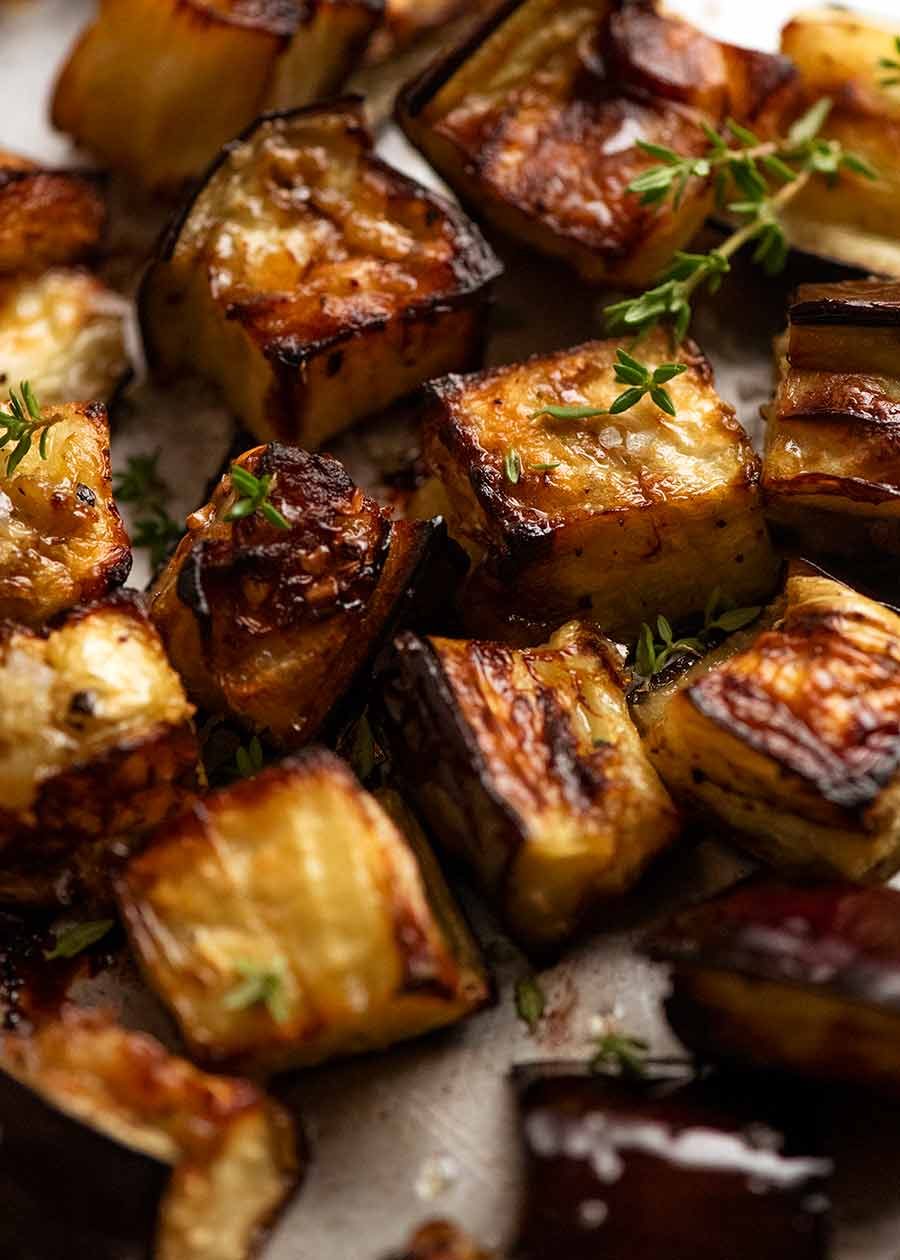
Why Roasted Eggplant Slices Are a Culinary Game-Changer
Transforming humble eggplant into a tender, flavorful, and slightly crisp delight has never been easier than with oven roasting. Forget rubbery textures or lingering bitterness; this guide reveals the secrets to achieving perfect roasted eggplant slices every single time. With minimal ingredients and effort, you'll unlock a versatile vegetable that can anchor a meal, elevate a side dish, or star in countless culinary creations.
For centuries, cultures around the Mediterranean have celebrated the eggplant's unique ability to absorb flavors and transform with heat. From the smoky depths of Baba Ganoush to rich moussaka, its versatility is unmatched. However, sometimes the simplest preparations are the most satisfying. Oven-roasted eggplant slices strip away complexity, allowing the vegetable's inherent sweetness and creamy texture to shine, complemented by a beautifully browned exterior. They're a revelation for busy weeknights, effortless meal prep, or when you simply crave a wholesome, delicious vegetable.
This method isn't just easy; it's a foundation for countless healthy and satisfying meals. Whether you're a seasoned chef or a beginner in the kitchen, these tips will ensure your eggplant is always tender, never bitter, and perfectly seasoned, ready to be enjoyed warm, at room temperature, or even cold.
Mastering the Basics: Selecting & Prepping Your Eggplant
The journey to perfect roasted eggplant slices begins long before they hit the oven. Choosing the right eggplant and preparing it correctly are critical steps that prevent common pitfalls like bitterness or an undesirable spongy texture.
Selecting the Perfect Eggplant
Don't underestimate the power of a good pick! When selecting eggplant:
- Firmness with a Slight Give: Gently press the skin. It should feel firm but yield slightly, indicating freshness. If it's rock hard, it might be underripe; if it's too soft, it's likely overripe.
- Smooth, Glossy Skin: Look for a vibrant, unblemished skin that's tight and shiny. Dullness, wrinkles, or soft spots are signs of age or damage, which can translate to bitterness or poor texture.
- Green Stem: A fresh, green stem is another strong indicator of a ripe, recently harvested eggplant. Avoid those with dried-out or brown stems.
- Smaller is Often Better: While larger eggplants are impressive, smaller to medium-sized varieties (like globe or Italian eggplant) tend to have fewer seeds. Fewer seeds generally mean less bitterness and a creamier texture, which is ideal for slices. Look for ones that are relatively uniform in size for even cooking.
The Art of Slicing
Once you have your pristine eggplant, proper slicing is next:
- Rinse Thoroughly: Wash your eggplant under cold water to remove any dirt.
- Cut Widthwise: Using a sharp chef's knife, slice the eggplant into ½-inch (about 1.25 cm) rounds. This thickness is crucial – thin enough to cook relatively quickly and brown nicely, but thick enough to retain a tender, meaty interior. Uniformity is key for even cooking.
- Stem Removal: A clever trick is to leave the stem on while slicing, as it provides a convenient handle. Once all slices are cut, simply remove the small bit of stem from each round.
- To Peel or Not to Peel? For roasted eggplant slices, there's no need to peel! The skin not only adds nutritional value but also helps the slices maintain their structure during roasting, preventing them from falling apart.
The Brine Debate: Why Salting Your Eggplant Matters
While some argue that modern eggplant varieties are less bitter and salting isn't necessary, many experienced cooks (including myself) find this step invaluable. Salting, or "brining," goes beyond just reducing bitterness:
- Extracts Excess Water: Eggplant is highly porous. Salting draws out excess moisture, which prevents a soggy, rubbery texture and allows the slices to brown beautifully and become truly tender. Less water means more concentrated flavor.
- Improves Texture: By removing water, the eggplant's cellular structure changes, leading to a silkier, less spongy texture.
- Reduces Bitterness: Although modern varieties are less bitter, salting still helps to draw out any remaining bitter compounds, ensuring a sweet, clean flavor.
How to Salt Eggplant Slices:
- Lay your ½-inch eggplant slices in a single layer on a cooling rack set over a baking sheet (to catch the moisture).
- Liberally sprinkle both sides of the slices with coarse sea salt or kosher salt.
- Let them sit for 30-60 minutes. You'll see beads of moisture form on the surface.
- Thoroughly pat each slice dry with paper towels. This step is critical to remove both the moisture and excess salt. Don't skip it!
For a deeper dive into this essential technique and how it revolutionizes your eggplant dishes, check out our guide on Roasted Eggplant Slices: Master the Brine & Banish Bitterness.
The Art of Roasting: Achieving Perfect Texture & Flavor
With your eggplant perfectly prepped, it's time for the main event: roasting. This process is where the magic happens, transforming raw slices into golden-brown, irresistibly tender bites.
Seasoning Your Slices
Once your eggplant slices are thoroughly patted dry after salting, they're ready for seasoning. The beauty of eggplant is its ability to absorb flavors, so don't be shy!
- Oil Application: Lightly brush both sides of each eggplant slice with good quality olive oil. Olive oil adds flavor and helps with browning. For an extra rich flavor, you can even use a combination of olive oil and a touch of melted butter. Ensure even coverage to prevent sticking and promote crispness.
- Basic Seasoning: A sprinkle of sea salt (remember, you've already salted, so add less now) and freshly ground black pepper is all you truly need to let the eggplant's natural flavor shine.
- Advanced Seasoning (see "Beyond the Basics" below): This is your chance to get creative! Garlic powder, onion powder, Italian seasoning, smoked paprika, dried oregano, or a touch of red pepper flakes are all excellent additions.
The Roasting Process: Heat and Technique
The key to perfect roasted eggplant slices lies in high heat and proper air circulation.
- Preheat Your Oven: This is non-negotiable. A hot oven ensures instant searing and prevents the eggplant from steaming. Aim for 400-425°F (200-220°C).
- Prepare Your Baking Sheet: Line a large baking sheet with parchment paper. This prevents sticking and makes cleanup a breeze.
- Single Layer, No Crowding: Arrange the seasoned eggplant slices in a single layer on the prepared baking sheet, ensuring there's space between each slice. Crowding the pan will lead to steaming instead of roasting, resulting in soggy, not crispy, eggplant. If necessary, use two baking sheets.
- Roast: Place the baking sheet in the preheated oven. Roast for 10-15 minutes, then flip each slice and continue roasting for another 10-15 minutes, or until the eggplant is deeply golden brown, tender when pierced with a fork, and slightly caramelized at the edges. The exact time will depend on your oven and the thickness of your slices.
Achieving that coveted crispy-tender balance is a common goal, and understanding the role of high heat and proper preparation is crucial. For more detailed strategies on perfecting that desired texture, explore our article on How to Roast Eggplant Slices: Crispy, Tender & Bitter-Free.
Beyond the Basics: Creative Seasoning & Serving Ideas
While simply seasoned roasted eggplant slices are delicious on their own, they are also a fantastic canvas for a myriad of flavors and uses.
Elevate Your Flavors
Experiment with these seasoning combinations before roasting:
- Mediterranean Flair: Add dried oregano, thyme, a pinch of sumac, and a squeeze of fresh lemon juice after roasting.
- Garlic Lover's Dream: Mix in garlic powder or finely minced fresh garlic with the olive oil.
- Spicy Kick: A dash of red pepper flakes or smoked paprika can add warmth and depth.
- Umami Boost: A sprinkle of nutritional yeast or a light brush with soy sauce (or tamari for gluten-free) can enhance the savory notes.
- Herby Freshness: Fresh rosemary or sage, finely chopped, adds an aromatic touch.
Versatile Serving Suggestions
Roasted eggplant slices are incredibly adaptable:
- Standalone Side: Serve them as a healthy and flavorful side dish to any meal, perhaps with a sprinkle of fresh parsley or a drizzle of balsamic glaze.
- Salad Topper: Add them warm or cold to grain bowls, green salads, or pasta salads for added texture and substance.
- Sandwiches & Wraps: Layer them into vegetarian sandwiches, pitas, or wraps with hummus, feta, and fresh veggies.
- Appetizer: Arrange them on a platter with a dipping sauce like dairy-free basil pesto, San Marzano tomato sauce, or a cooling tzatziki.
- Pasta Dishes: Toss them with your favorite pasta, tomato sauce, and fresh basil for a quick and satisfying vegetarian meal.
- Layered Dishes: Use them as a gluten-free alternative to noodles in lasagna or as a base for mini pizzas.
Troubleshooting & Top Tips for Success
Even with the best intentions, sometimes things don't go as planned. Here are answers to common questions and our top tips for consistently perfect results:
Common Questions Answered
- Why is my eggplant rubbery/soggy? This is usually due to not salting and thoroughly drying the eggplant, or overcrowding the baking sheet. Eggplant needs space to roast, not steam!
- Why is my eggplant bitter? Improper selection (overripe, too many seeds) or skipping the salting step can lead to bitterness.
- Can I make these ahead? Absolutely! Roasted eggplant slices are excellent for meal prep. They reheat beautifully in the oven or can be enjoyed at room temperature. Store them in an airtight container in the refrigerator for 3-4 days.
Chef's Top Tips for Irresistible Roasted Eggplant
- Don't Skip the Salt & Pat Dry: We can't emphasize this enough. It's the #1 secret to non-soggy, non-bitter eggplant.
- Hot Oven is Key: Preheat your oven fully to 400-425°F (200-220°C). High heat encourages browning and a crispy exterior.
- Single Layer & Space: Give each slice room to breathe on the baking sheet. When in doubt, use two sheets.
- Flip Halfway: This ensures even cooking and browning on both sides.
- Uniform Slices: Aim for consistent ½-inch thickness so all slices cook at the same rate.
- Use Parchment Paper: It makes cleanup a breeze and prevents sticking, especially with the higher heat.
- Season Liberally: Eggplant loves to soak up flavor. Don't be shy with your oil and seasonings.
- Experiment: Once you master the basic technique, feel free to play with different herbs, spices, and sauces to match your meal.
Mastering oven-roasted eggplant slices opens up a world of culinary possibilities. It’s a testament to how simple techniques can yield extraordinary flavor and texture, turning an often-misunderstood vegetable into a celebrated staple.
From choosing the freshest eggplant to the crucial salting step and the precise roasting technique, every detail contributes to a dish that is tender in the middle, beautifully browned on the outside, and bursting with flavor. So go ahead, grab an eggplant, follow these steps, and prepare to fall in love with this versatile, healthy, and incredibly delicious vegetable. Happy roasting!
